
Close Menu
  • Home
  • Featured
  • News
  • Politics
  • Entertainment
  • Security
  • Sports
  • More
    • Agriculture
    • Climate Change
    • Crime
    • Education
    • Environment
    • Health
    • International
    • Law and Order
    • Opinion
    • Videos
Facebook X (Twitter) Instagram
CONCORD MEDIA
SUBSCRIBE
  • Home
  • Featured
  • News
  • Politics
  • Entertainment
  • Security
  • Sports

    Stakeholders call for overhaul of Kano Pillars FC management amid poor NPFL performance

    November 4, 2025

    First Nigerian emerge Speaker of AYDP, dedicated victory to Nigeria’ s leadership – Akerele

    August 21, 2025

    Kano Pillar Club:NUJ  hails  Malikawa’s  fresh role, described it as most suitable 

    July 5, 2025

    Kano Governor renames sports  institute to honour 22 late athletes

    June 29, 2025
  • More
    • Agriculture
    • Climate Change
    • Crime
    • Education
    • Environment
    • Health
    • International
    • Law and Order
    • Opinion
    • Videos
CONCORD MEDIA
Home » OPEC reveals real reason behind high fuel prices in Nigeria, Not Dangote
Economy

OPEC reveals real reason behind high fuel prices in Nigeria, Not Dangote

EditorBy EditorSeptember 19, 202403 Mins Read
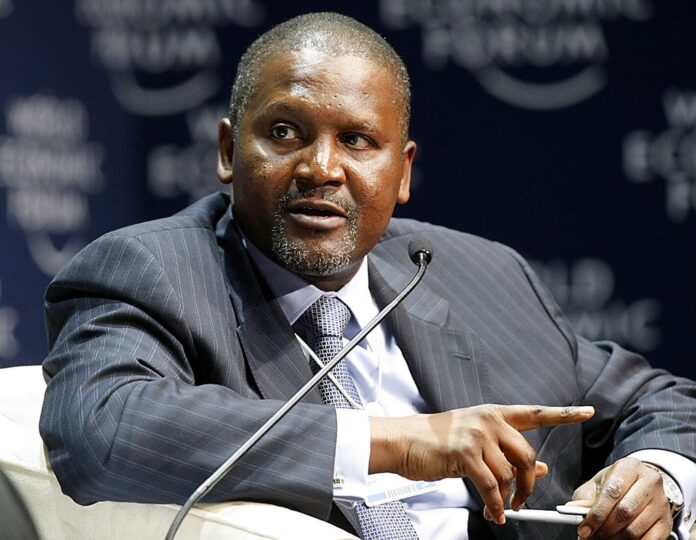
Aliko Dangote 696x540
THE OPEC Secretary General, Haitham Al Ghais, has set the record straight, revealing that the real reasons behind high fuel prices lie elsewhere—primarily in taxes imposed by governments, including those of major oil-consuming nations.
However,this may be in response to the fuel price hike in the country ,which has sparked widespread concerns, with many pointing fingers at oil producers, particularly local operators like Dangote Refinery.
In an article published on Tuesday, Al Ghais explained that crude oil and its derivatives form the backbone of global industries, powering everything from transportation to pharmaceuticals.

However,while many assume that rising oil prices directly benefit oil producers at the expense of consumers, the OPEC chief debunked this myth, adding that oil-producing nations are not the primary beneficiaries of retail fuel sales.

He also disclosed that ” Revenue
are often generated, but they are predominantly earned by major oil-consuming countries through taxation,”

The Secretary General emphasized that countries within the OECD (Organisation for Economic Co-operation and Development) earn substantially more from the retail sale of petroleum products than OPEC member countries make from the sale of crude oil itself.

He then recalled that ” Between
2019 and 2023, OECD nations earned approximately $1.915 trillion more annually than OPEC nations from petroleum products. In 2023 alone, taxes accounted for around 44% of the final retail price of petroleum products in OECD countries, and in certain European countries, this figure exceeded 50%.

For Nigerian consumers, this highlights that the high cost of fuel at the pump is not merely a reflection of crude oil prices or refinery margins.

Instead, a significant portion of what consumers pay is directed towards government taxes.
“It is important to recognize that the price paid by consumers at the pump is determined by multiple factors, including crude oil prices, refining, transportation, and, notably, taxes,” Al Ghais pointed out.

He also added that ” In  the UK, for instance, fuel duties are expected to generate £24.7 billion in revenue for the government in 2023-24, amounting to 2.2% of all receipts. Such figures indicate the global trend of governments, both in producing and consuming nations, leveraging petroleum products for revenue generation.

Al Ghais also underscored that while oil-producing nations do earn revenue from oil sales, a significant portion is reinvested into exploration, production, and infrastructure projects to ensure the continuous flow of supply to consumers worldwide. This reinvestment is critical for maintaining future oil supplies and stabilizing global energy markets.

He hinted that while taxes play a crucial role in supporting government services and infrastructure, they also represent a considerable portion of the price consumers pay at the pump.

He therefore called for a shift away from the narrative that pits consumers against producers, emphasizing that both groups are stakeholders in the energy ecosystem.

The current fuel price crisis in Nigeria is a stark reminder of the complexity behind fuel pricing, where taxes, rather than oil producers, bear much of the responsibility for what Nigerians pay at the pump.

Share. Facebook Twitter Telegram WhatsApp
Previous ArticleNew Dangote varsity pro-chancellor,promises to transform challenges, into opportunities
Next Article Relationship between, Kano,Borno state,an old ancient one — Prof Zulum 

Related Posts

Dangote Petroleum Refinery , Petrochemicals to supply over 60 PMS million liters to domestic market

February 24, 2026

Dangote signs $400m equipment deal to fast-track refinery expansion

February 17, 2026

Youth development key driver of economic growth — Gov. Yusuf

February 13, 2026

NNPC engaging proven partners to revamp refineries — Ojulari

February 4, 2026

Pensioners in Niger appeal to Gov. Bago to resume payment of entitlements

January 14, 2026

Kano graduates 2,260 youths, disburses empowerment packages

January 12, 2026
Add A Comment
Leave A Reply Cancel Reply

Stay In Touch
  • Facebook
  • Twitter
  • Pinterest
  • Instagram
  • YouTube
  • Vimeo
Don't Miss

Dangote Petroleum Refinery , Petrochemicals to supply over 60 PMS million liters to domestic market

By EditorFebruary 24, 2026

Dangote Petroleum Refinery , Petrochemicals to supply over 60 PMS million liters to domestic market…

KSCHMA aligns with Gov. Yusuf’s health agenda at North-West CEmONC meeting in Kaduna

February 24, 2026

Governor Yusuf commissions 40 refurbished state-owned transport vehicles

February 24, 2026

Performance that deserves renewal: Omolajaye backs Adeleke for second term

February 24, 2026
© 2026 CONCORD MEDIA
  • Home
  • Privacy Policy
  • Hisbah security operative arrest Jigawa Commissioner with a married woman in uncompleted building in Kano Kano

Type above and press Enter to search. Press Esc to cancel.