

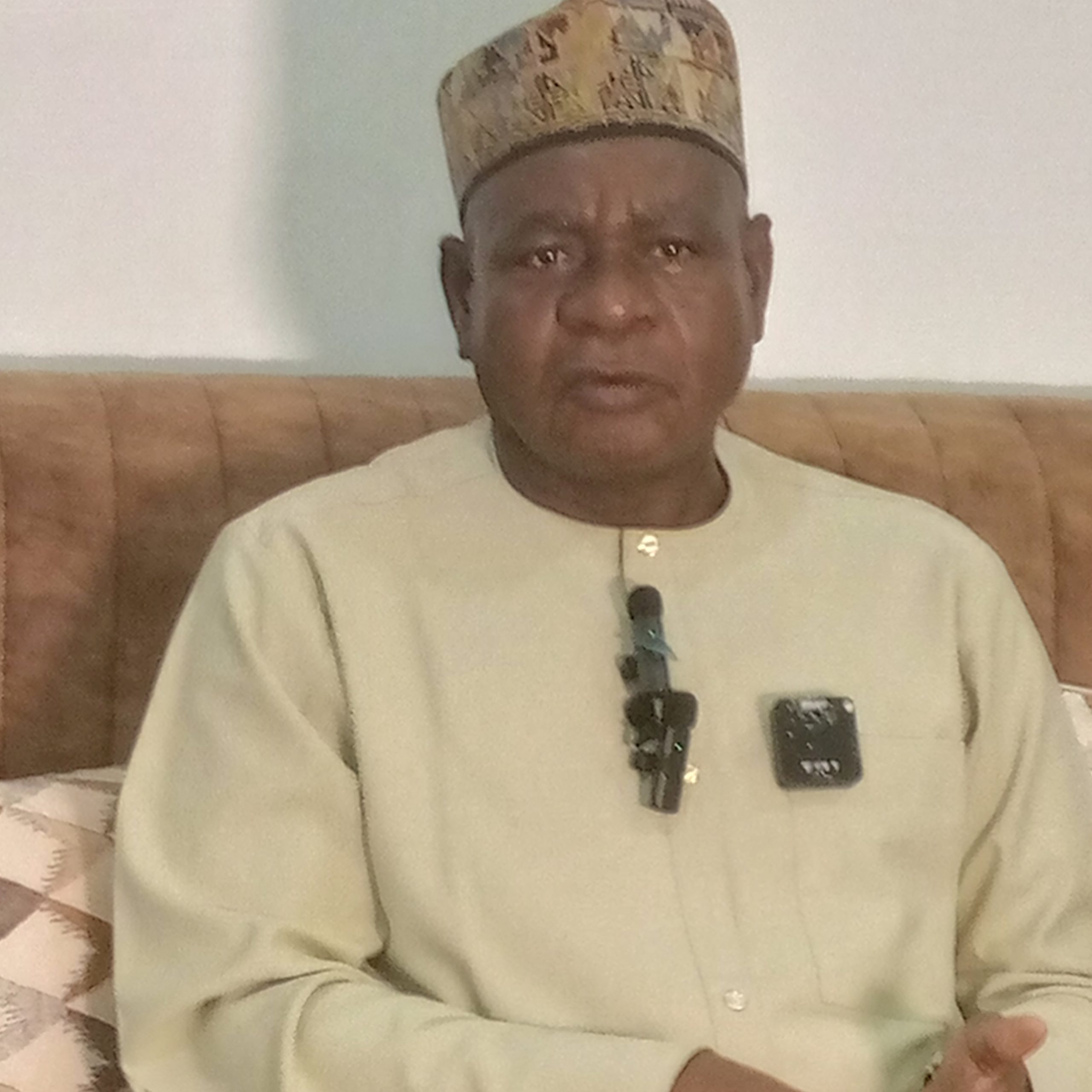
Kwankwaso backs Tinubu on Lg financial autonomy, says It’s legal obligation
Kola Oyelere Kano
Read also: Tinubu’s retention of Shettima gives APC full control of North, Says Kwankwaso
A frontline chieftain of the All Progressives Congress (APC), Dr. Musa Illiyasu Kwankwaso, has thrown his weight behind President Bola Ahmed Tinubu’s insistence on full financial autonomy for local governments, describing the move as a constitutional requirement rather than a political decision.
Kwankwaso, who is the Director of Finance at the Hadejia Jama’are River Basin Development Authority, made the remarks on Monday while speaking with journalists in Kano.
He said respecting local government financial autonomy is critical to grassroots development and long-term national stability.
A former two-term chairman of Madobi Local Government Area under the administration of ex-Governor Ibrahim Shekarau, Kwankwaso noted that President Tinubu’s directive for governors to allow councils direct access to their statutory allocations reflects a clear understanding of Nigeria’s structural challenges.
“This is not about politics; it is about saving the system from collapse at the grassroots,” he said.
According to him, granting councils financial independence would enable them to tackle unemployment, insecurity and infrastructure deficits more effectively.
He explained that with control over their funds, local governments could employ idle youths, support community vigilante groups and respond swiftly to local security threats.
Kwankwaso added that autonomy would also revive development at the community level, allowing councils to execute priority projects such as hospitals, schools, feeder roads and local security initiatives without prolonged delays from state-level approvals.
Read also: Tinubu’s economic reforms will secure 2027 victory, Says APC Kwankwaso ally
Recalling his time as council chairman about two decades ago, he said meaningful development was achievable even with limited resources.
“When I was chairman, Madobi received about ₦30 million monthly. After paying salaries of roughly ₦9 million, we still carried out projects that are standing today,” he recalled.
He contrasted this with the current situation, noting that despite significantly higher allocations, many councils show little evidence of development.
“Today, Madobi gets over ₦1 billion monthly, yet because the funds are centrally managed at the state level, you hardly see projects on ground,” he said.
Kwankwaso stressed that local government financial autonomy is not a discretionary policy of the President but a binding legal requirement anchored on a Supreme Court judgment. “Governors must respect it if we truly believe in the rule of law,” he warned.
Commenting on President Tinubu’s 2026 budget proposal, Kwankwaso expressed optimism, pointing to ongoing infrastructure projects nationwide, including the Kano–Maradi and Kano–Abuja railway lines, as well as major road constructions.
He also commended recent improvements in security coordination, attributing progress to the National Security Adviser, Mallam Nuhu Ribadu, and the defence leadership.
He noted that areas such as Birnin Gwari and the Abuja–Kaduna highway, previously considered unsafe, are now relatively secure, with similar efforts ongoing in Zamfara and Sokoto states.
Read also: Kano opens victory journey for Tinubu’s second term, Says Yakasai, TSG DG
Kwankwaso dismissed claims that President Tinubu faces resistance in the North, insisting that public sentiment favours the administration.
“From Kano to Maiduguri and across the North Central, the President enjoys support. Nigerians can see the results and will respond accordingly,” he said.