

From ₦5,000 Pension to ₦20,000, From Waiting to Hope: Kano Pensioners’ Long Road to Dignity
Kola Oyelere, Kano
Retirement is supposed to mark the beginning of a peaceful chapter in life — a period when a man or woman who has spent decades serving the public can finally rest, enjoy the fruits of years of hard work and live without the pressure of daily responsibilities.
But for many Nigerian pensioners, retirement has become anything but peaceful.
Instead of comfort, it brings anxiety. Instead of security, it brings uncertainty.
And instead of enjoying the years they have left, many retirees spend their days worrying about how to survive, what to eat, how to pay for medication and where to find money to meet the needs of their families.
For workers who devoted 30, 35 or even more years to public service, the transition from active employment to retirement can be painfully difficult.
The regular salary that once sustained their households disappears, while the pension meant to replace it is sometimes delayed, inadequate or insufficient to cope with the realities of a harsh economy.
For some, the struggle begins almost immediately after leaving office.
The man who once paid school fees, provided food for his family and supported relatives suddenly finds himself asking his children for assistance. The woman who spent decades teaching, nursing or serving in government offices may find herself unable to afford basic medication in old age.
The years of service may be over, but the struggle for survival continues.
The burden of growing old without financial security
Across Nigeria, pensioners face a combination of challenges that makes old age increasingly difficult. Rising prices of food, transportation, electricity, rent and healthcare have eroded the purchasing power of many retirees.
The situation is particularly troubling for those living with age-related health conditions such as hypertension, diabetes, arthritis and other ailments that require regular medical attention.
A pension that barely covers food may leave little or nothing for drugs, hospital visits or laboratory tests. In such circumstances, some pensioners are forced to ration their medication, postpone treatment or depend on relatives to keep them alive.
The emotional consequences are equally devastating.
Retirement can bring loneliness, isolation, depression and a loss of purpose, particularly when former workers feel abandoned by the institutions they served. Many struggle silently, reluctant to disclose their hardship to their children, friends or neighbours.
For a generation raised on the values of hard work, responsibility and self-reliance, depending on others in old age can be deeply painful.
Retirement, therefore, is not merely an economic issue. It is a question of dignity, mental wellbeing, social responsibility and the extent to which society honours those who helped build it.
A huge debt inherited in Kano
In Kano State, the challenge of unpaid retirement benefits has long been a source of concern for retired civil servants and families of deceased workers.
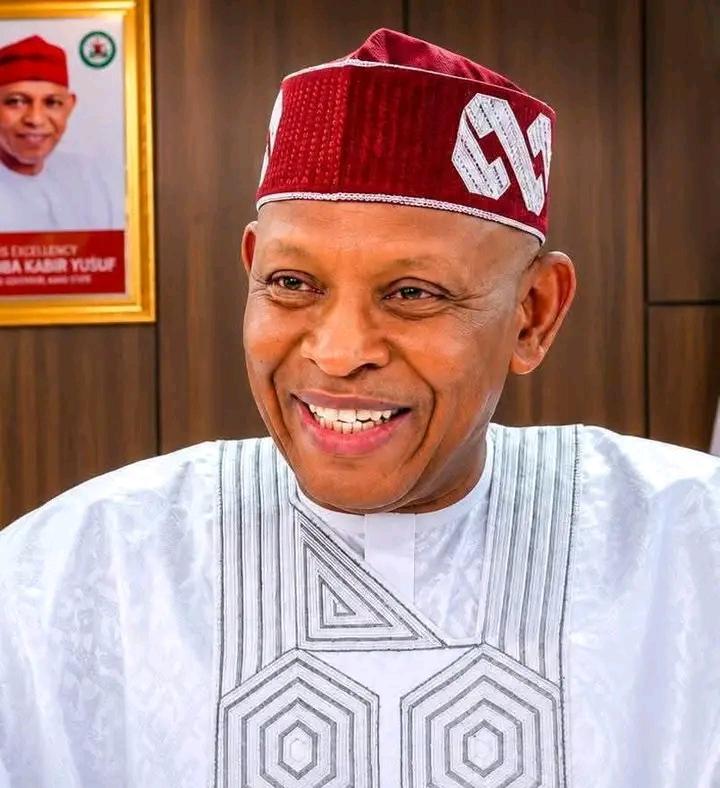
When Governor Abba Kabir Yusuf assumed office, he inherited an outstanding gratuity liability reportedly exceeding ₦48 billion, representing money owed to retirees and families entitled to death benefits.
For pensioners, the debt was not simply a government accounting figure. It represented years of waiting, postponed plans, unpaid obligations, medical bills and the inability to move forward after retirement.
The administration subsequently embarked on a payment programme aimed at reducing the backlog, releasing funds in tranches to beneficiaries.
According to figures provided in the document, the state released an initial ₦6 billion in December 2023, followed by another ₦5 billion in June 2024 and a further ₦5 billion in January 2025.
The payments, which reportedly prioritised lower-grade retirees and those owed smaller amounts, offered relief to beneficiaries who had waited for years to receive their entitlements.
Some of the retirees were owed relatively modest sums, including ₦150,000 and ₦250,000 — amounts that may appear small in government circles but can make an enormous difference to a struggling household.
For a pensioner in a rural community, such money could mean settling rent, buying food, paying medical bills, supporting grandchildren or finally clearing a debt accumulated during years of waiting.
The payment approach, according to the document, was designed to ensure that those with smaller entitlements were not left behind while larger claims continued to dominate the process.
₦37 billion paid, but the journey is not over
On November 16, 2026, Governor Yusuf released another ₦5 billion as the seventh tranche of gratuity payments, bringing the total amount reportedly paid from the inherited liability to ₦37 billion.
The figure represents approximately 77 per cent of the original debt of about ₦48 billion, leaving roughly ₦11 billion outstanding.
Kano gratuity payment progress
Illustrative breakdown of the inherited ₦48 billion gratuity liability, based on figures provided in the document.
The governor has pledged that the outstanding retirement benefits will be fully cleared by April 2027.
For pensioners who have spent years waiting, the promise carries both hope and caution. While payments already made have brought relief to many, thousands of beneficiaries may still be waiting for their turn.
The significance of the latest payment is therefore not only in the billions released but in the lives of those whose financial uncertainty may finally be coming to an end.
A gratuity payment can mean the difference between spending another year depending on relatives and having the means to take care of oneself.
From ₦5,000 to ₦20,000: A change in minimum pension
Another development highlighted in the document is the reported increase in Kano State’s minimum pension from ₦5,000 to ₦20,000.
For pensioners who had been receiving the previous minimum amount, the increase represents a significant adjustment, particularly against the backdrop of rising living costs.
Yet the reality of the economy means that even ₦20,000 remains insufficient to meet the monthly needs of an elderly person.
Food prices continue to rise, while medication and hospital services remain expensive. For a retiree living alone or supporting dependants, the increased pension may provide some relief without necessarily guaranteeing financial security.
The adjustment is therefore an important step, but it also highlights the broader need for pension payments to reflect the realities of inflation and the cost of living.
Technology meets the pension system
Beyond the financial releases, the Kano State Government says it is introducing reforms aimed at making pension administration easier and reducing the difficulties pensioners face when accessing their entitlements.
Read also: The Students Who Work While They Study
According to the document, pension payroll processing has been automated, while biometric verification of pensioners has been completed to improve accountability and eliminate irregularities associated with the system.
A pensioner verification application developed by the Kano State Pension Fund Trustees is also being introduced, allowing retirees to verify their status remotely rather than travelling to Kano for physical verification.
For elderly people, many of whom have limited mobility or live outside the state, the initiative could eliminate the exhausting experience of travelling long distances, standing in queues and waiting under the sun to complete routine verification exercises.
The application is expected to allow pensioners living in other parts of Nigeria or abroad to carry out verification from their homes.
If implemented efficiently and supported by accessible assistance for pensioners who lack smartphones or digital skills, the system could significantly reduce the physical and financial burden of pension administration.
Technology, in this case, is not merely about modernising government operations. It is about making public services accessible to people whose age and circumstances make bureaucratic procedures difficult.
The forgotten families of deceased workers
One of the most painful dimensions of pension administration is the plight of families whose breadwinners died while in service or after retirement, leaving behind unpaid benefits.
Widows, children and other dependants often face the burden of pursuing death benefits through government offices at a time when they are already dealing with grief and financial hardship.
The document also highlights the release of about ₦846 million in unclaimed death benefits, with an instruction to relevant authorities to identify and locate the families entitled to the money.
For such families, the payment of death benefits is not simply a financial transaction. It may provide the means to keep children in school, pay rent, establish a small business or cope with the loss of their primary provider.
The responsibility of government should not end with processing the money. It must ensure that beneficiaries are identified, informed and able to receive their entitlements without unnecessary obstacles.
When pension payments become a question of trust
Pension administration is one of the most sensitive responsibilities of government because it involves people who can no longer return to the labour market to earn additional income.
Unlike active workers, pensioners have limited opportunities to recover from financial setbacks. A delayed payment can mean missed medication, unpaid rent or food insecurity.
That is why transparency, accountability and consistency are essential.
The reported investigation into an alleged ₦1.5 billion deduction from workers’ funds, following concerns raised by labour leaders, also underscores the importance of protecting retirement savings and ensuring that any allegation of financial misconduct is properly investigated.
Pensioners deserve to know that the money accumulated through their years of service is protected and that those responsible for managing their funds are held accountable.
Beyond politics: Pensioners deserve their rights
The document further states that the Yusuf administration has settled more than ₦15.6 billion in outstanding entitlements owed to former local government councillors who served between 2018 and 2024.
The payments reportedly covered councillors across different political affiliations, including those who served under previous administrations
The reported investigation into an alleged ₦1.5 billion deduction from workers’ funds, following concerns raised by labour leaders, also underscores the importance of protecting retirement savings and ensuring that any allegation of financial misconduct is properly investigated.
Pensioners deserve to know that the money accumulated through their years of service is protected and that those responsible for managing their funds are held accountable.
Beyond politics: Pensioners deserve their rights
The document further states that the Yusuf administration has settled more than ₦15.6 billion in outstanding entitlements owed to former local government councillors who served between 2018 and 2024.
The payments reportedly covered councillors across different political affiliations, including those who served under previous administrations.
hile political considerations often dominate public discussions around government payments, pension and retirement benefits should ideally remain above partisan interests.
Retirement entitlements are earned through service. They should not depend on political loyalty, personal relationships or the identity of the government in power.
The recognition reportedly given to Governor Yusuf by the Nigeria Union of Pensioners, including its 2024 pensioners-friendly governor award, reflects the union’s assessment of his administration’s pension-related efforts.
But awards and commendations are only part of the story. The ultimate measure of success will be whether every eligible retiree receives what is due, on time and without hardship.
.
A long road from hardship to hope
For Kano pensioners, the release of ₦37 billion out of an inherited gratuity debt of about ₦48 billion marks considerable progress, according to the figures provided.
It offers hope to those who have waited for years and signals an effort to address a burden that has weighed heavily on retirees and their families.
Yet the wider struggle of pensioners remains.
Many retirees across Nigeria continue to battle inadequate monthly pensions, rising healthcare costs, inflation, delayed entitlements and social isolation.
The experience of Kano, while showing progress in clearing gratuity arrears, also illustrates how vulnerable older citizens can become when financial security after retirement is uncertain.
The remaining ₦11 billion, the promised April 2027 deadline, the new monthly payment arrangement and the effectiveness of the automated verification system will all be important in determining whether the reforms translate into lasting relief.
For the pensioner who has spent decades serving the state, what matters most is not the political speech, the award or the announcement of billions.
It is being able to buy food without begging. It is being able to take medication without skipping doses.
It is paying rent without fear of eviction. It is sleeping peacefully, knowing that the money earned through years of sacrifice will arrive when needed.
Retirement should never be the beginning of a struggle for survival.
Those who spent their productive years building institutions, educating children, keeping public services running and contributing to the development of their communities deserve a life of dignity in old age.