


UNICEF Warns Early Marriage, Denial of Girls’ Education Could Undermine
Nigeria’s Development
Kola Oyelere Kano
Read also: UNICEF, RUWASSA Distribute WASH Kits to 1,500 IDP Households in Sokoto
UNICEF has warned that Nigeria’s development could be undermined if girls are denied access to education and subjected to early marriage, urging increased investment in their education, protection and empowerment.
The UNICEF Chief of Bauchi Field Office, Dr Nuzhat Rafique, gave the warning in Gombe during a one-day stakeholders’ engagement organised by UNICEF in collaboration with the Bauchi Radio Corporation (BRC), ahead of the 2026 International Day of the Girl Child, marked annually on October 11.
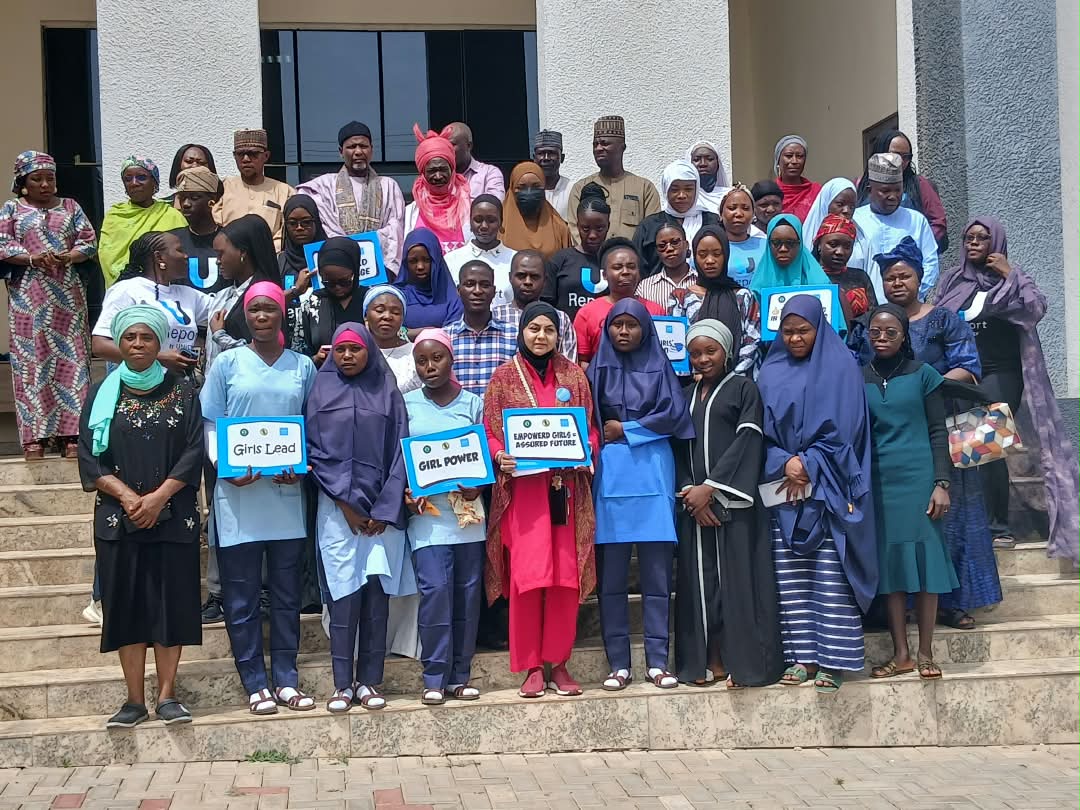
The engagement, themed “End Child Marriage and Invest in Girls’ Rights,” brought together traditional rulers, women’s groups, development partners, media practitioners and girls to discuss strategies for ending child marriage and strengthening the protection and empowerment of girls.
Speaking to journalists, Rafique said the meeting provided an opportunity for stakeholders in health, education, nutrition and social policy to strengthen advocacy and collaboration towards ending child marriage.
She described education as one of the most important investments in the girl child, stressing the need to ensure that every child, including children with disabilities, has equal access to quality education.
According to her, educating girls helps reduce the risk of early marriage, improves their career prospects and enables them to become productive members of society.
She added that educated girls were better positioned to build stronger families and contribute to the wellbeing of future generations.
Rafique also emphasised the importance of positive parenting, community engagement and coordinated action among stakeholders in protecting girls from harmful practices and safeguarding their right to education.
Earlier, UNICEF Bauchi Field Office Child Protection Specialist, Ladi Alabi, called for a holistic approach to the development of the girl child, noting that harmful sociocultural practices continued to undermine girls’ rights and limit their opportunities.
Alabi said UNICEF had continued to prioritise these challenges through interventions designed to strengthen child protection and promote the wellbeing of girls.
She highlighted the health risks associated with early marriage, particularly complications arising from early pregnancy and childbirth, including vesicovaginal fistula (VVF), a condition that can cause continuous urinary leakage.
The child protection specialist stressed that investment in girls’ education and empowerment would equip them with the knowledge, confidence and skills needed to overcome societal barriers and contribute meaningfully to national development.
Participants expressed concern over harmful sociocultural norms that deny girls their rights, expose them to various risks, restrict their opportunities and prevent them from reaching their full potential.
The engagement also allowed girls to share their experiences and explain how different initiatives had contributed to their wellbeing, confidence and personal development.
The girls called for stronger mentorship programmes, improved access to education and an end to gender stereotypes that restrict them to certain professions.
They also expressed concern about children who had lost hope of receiving an education because of poverty and other socioeconomic challenges.
They urged governments, community leaders, parents and development partners to work together to end child marriage through sustained public awareness, expanded educational opportunities and improved socioeconomic conditions for families, particularly those living in poverty.
Read also: Emir Sanusi commends Gov. Yusuf’ on education , development efforts
According to them, greater support would empower girls to challenge harmful practices, pursue their aspirations, build confidence and make informed decisions about their future.
They stressed that sustained investment in girls’ education, alongside community participation, positive parenting and stronger child protection measures, remained essential to ending child marriage and ensuring that every girl had the opportunity to fulfil her potential.