


Psychiatrist warns Journalists against rising stress, Depression
Kola Oyelere, Kaduna
Read also: UNICEF Urges Media to Champion Better Public Financing for Children
A leading mental health expert has raised fresh concern over the rising levels of stress and psychological disorders among journalists in Nigeria, warning that the profession is increasingly threatened by depression, trauma and burnout.
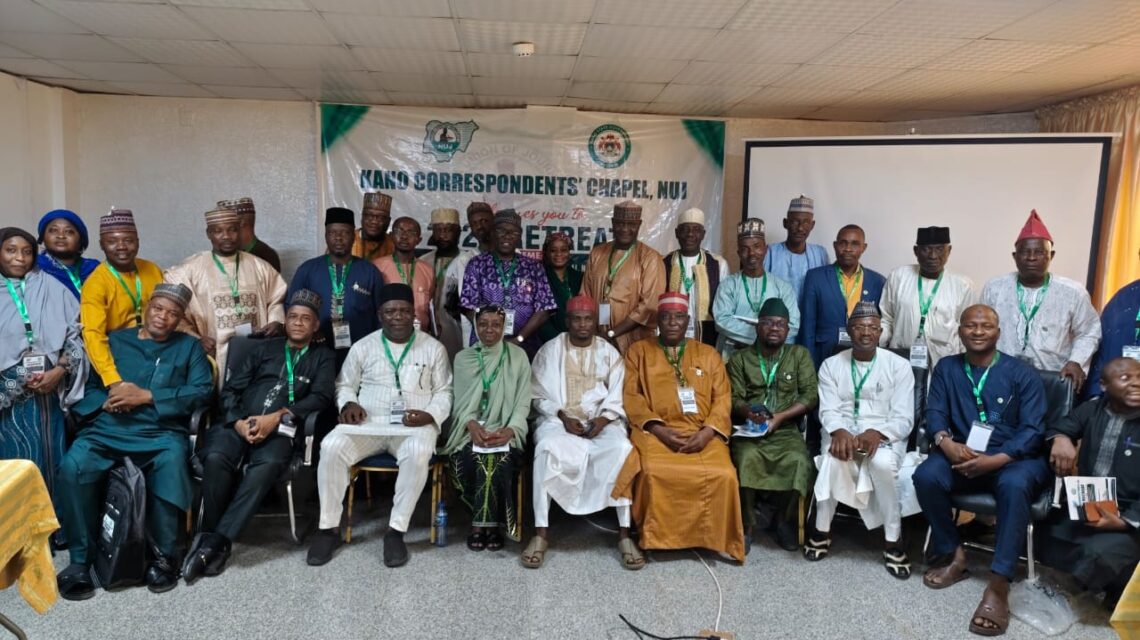
Dr. Aminu Ibrahim Shehu, a Consultant Psychiatrist at the Aminu Kano Teaching Hospital (AKTH), sounded the alarm while presenting a paper titled “Pressure Amid Deadline: Psychiatric/Mental Health Precautions” during the 2025 Retreat of the Kano Correspondents’ Chapel of the Nigeria Union of Journalists (NUJ) held at Pyramid Hotel, Kaduna.
According to him, the fast-paced and high-pressure nature of journalism has exposed many practitioners to chronic stress and mental health challenges. He likened journalists to military personnel who constantly witness distressing events with long-term emotional impact.
“Journalists are stressful and always under pressure to meet deadlines and break the news. What can we do about it? Even though stress is always around us, the only place you stay without stress is the graveyard,” he said.
Dr. Shehu warned that the combination of tight deadlines, exposure to tragedy, and rapid information demands makes journalists highly vulnerable to trauma, depression and other psychiatric disorders. He cautioned that failure to prioritise mental wellbeing could lead to more cases of suicide, severe breakdowns and stress-related illnesses within the media industry.
He advised journalists to seek medical and emotional support whenever they feel overwhelmed, cultivate healthier routines, identify stress triggers early and prioritise adequate sleep and rest. He also cited cases of journalists who died by suicide or suffered mental collapse, stressing that mental health must be treated as seriously as physical health
In another session at the retreat, media professionals were urged to deepen their understanding of legal boundaries, emerging technologies and digital safety to remain relevant and protected in the rapidly evolving landscape of modern journalism.
Read also: Group stress importance of accurate data, for government, institution
Delivering a paper titled “The Defamatory Border Lines in Media Reports: A Legal Perspective,” legal practitioner Barr. Yusuf Abdul Salam cautioned journalists on the dangers of careless reporting. He reminded participants that Nigeria operates under a right of expression and not freedom of the press, stressing that journalists must avoid statements capable of attracting libel or defamation suits.
“Careless reporting could easily lead to libelous or defamatory publications,” he warned.
While a Media scholar Hajia Sani, in her presentation titled “AI in Journalism and Mass Communication: Scope and Values,” urged journalists to continuously update their digital skills or risk being left behind by rapid technological advancements
. She noted that while AI enhances content production, it also comes with ethical and social implications that reporters must understand.
“If you don’t know how to utilize devices, you are left behind,” she said.
On digital transformations, Abdullateef Abubakar Jos, who presented a paper on “Digital Media: Emerging Opportunities, Challenges,” differentiated between digital and new media and warned that many journalists—especially online publishers—are becoming targets of cybercrime. He urged practitioners to prioritise verification and uphold professional standards despite the rush associated with real-time digital reporting.
Chairman of the retreat and Director-General, Media and Public Relations at Kano Government House, Sunusi Bature Dawakin Tofa, commended the resource persons for their insightful contributions. Bature, who also serves as spokesperson to Kano State Governor Abba Kabir Yusuf, cautioned against excessive dependency on Artificial Intelligence.
Read also: Yusuf inaugurates multi-agency task force on drug abuse, signs executive order against thuggery
“Artificial Intelligence generates information through human beings. We should not entirely succumb our creativity and professionalism to AI,” he said.
He emphasized the need for journalists to embrace digital innovation without compromising ethical standards or their creative jud